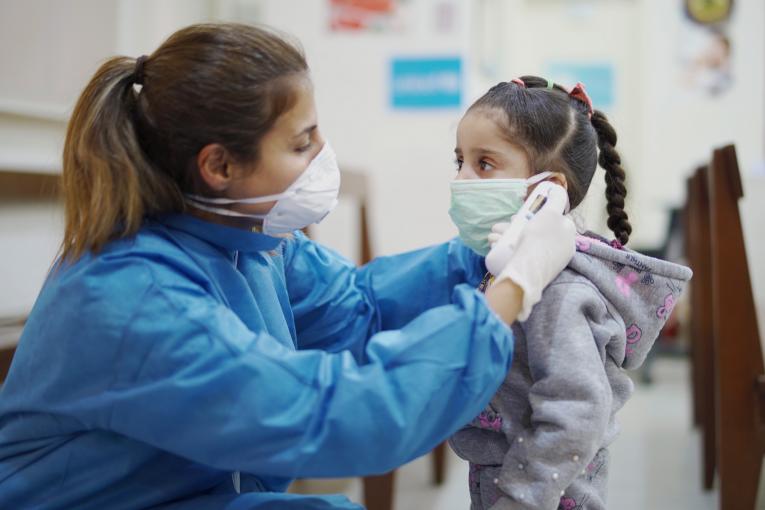
A Children’s Pandemic

A month of Pandemic measures and I already wince at a handshake or touched face on Netflix. Just yesterday, New York was bustling, packed and confident. Now it is cautious, dispersed and masked. If our relationship with the world around us has been instantly transformed, what about the impact upon children in their formative years?

It may be the single blessing of this ruthless pandemic that children are least vulnerable to the virus. But sadly not the potentially deadly ricochets and aftershocks it leaves in its wake. This week the UN Secretary General reported that health and food system impacts will increase other childhood diseases and malnutrition. The number of children living in extreme poverty is projected to increase from 386 to as much as 450 million as a direct result of a new Covid19-induced economic crisis. Extreme poverty is always a killer and likely to take more children than the virus itself. Perhaps reversing 2-3 years of global progress on preventable childhood deaths.

There is barely a child on the planet whose life has not been affected by the Pandemic in some way. 1.5 billion are at home and not school. At least tens of millions of children will be born into this crisis, mostly in conditions that would have been different if it weren’t for the pandemic. Children cannot see their friends and suffer major disruptions to learning, life and play. Sports tournaments, excursions and hackathons all shelved, teenage romance on hold. A recent study suggested that prolonged quarantine in general can make a person 4 times more likely to have poor mental health. The pandemic shocks touch all children .

Fortunately many children have the shock absorbers of a safe home, loving family and freedom from poverty, social exclusion or war. If just one from the set is missing, the impact of the pandemic is likely to be deeper and life-changing. There is now a new single thread of additional vulnerability tying together children in tightly packed slums in African cities with those in camps in Syria and Yemen. It extends to the low income children in rich countries like the UK and US and those at risk of severe acute malnutrition in the poorest countries. It also hits the approximately 5% of the world’s children with disability and the 15-20% in seriously dysfunctional, neglectful and violent homes. This pandemic has been merciless in piling more pressure on to those least able to absorb it.

The bottom billion have no means for social distancing or hand washing. Their health systems often have just a few ventilators and Intensive care beds. They are not thinking of flattening the curve, but rather a couple of dozen cases flattening their entire health system. Prevention of other childhood diseases is already disrupted, including vaccination programmes on hold in 23 countries. 30 million conflict affected children are dependent on humanitarian assistance which is likely to be battered as supply chains buckle and aid financing and fiscal space contract. 40% of the world’s children don’t even have hand washing facilities.

Remote learning is a great solution for most children, but even here in New York city it is estimated that 300,000 low income children don’t have the digital means to participate. School closures will widen the two main learning gaps. The first between countries with high performing education systems who have the agility and means to switch and those countries which cannot run their education system effectively at the best of times. The second gap is between the learning outcomes of wealthy and poor children within countries. 368.5 million of those poor children have also been cut off from essential school feeding programmes which are often the only source of nutrition. Children in need of special learning support at school or dependent on relationships with teachers and friends to mitigate the pain of violent and neglectful homes are suddenly adrift. All against a rising backdrop of increased reporting of intimate partner violence and child abuse from India to Greenland to Australia and all points in between.

If the Coronavirus was a pantomime villain waiting behind a curtain for an opportune moment to pounce, it did so with precision. Thus far, dwindling internationalism has made us too weak to address the Pandemic in the whole. But you cannot partially address a pandemic. Even during the Cold War, the USSR and the West realized this and joined forces to end smallpox. And thats what our polarised world needs to do now. If everyone is not safe, no-one is safe. The virus shows our interdependence and in the end, maybe thats its virtue.

This is not insurmountable. WHO, UNICEF, the Red Cross, scientists and artists have joined forces in the Solidarity Fund to mobilise resources for a vaccine and for prevention and response work in low and middle income countries. Scientists shared the genetic sequencing on the virus very early on and are collaborating across borders despite nationally-minded governments. There is also a global initiative to galvanise leaders into more collaborative and internationally-minded policy-making in response to the pandemic.

We have also seen national governments and societies prioritise children. 83 countries have adapted their social protection systems to help shield poor families and children from the crisis. Health, education and social work systems have often adapted to maintain basic services. Armies of school and health volunteers are helping minimise the impact of the pandemic upon children.

We should now see maintaining supply chains, aid flows and health systems in poor and humanitarian contexts as a first line response for us all, even though it seems far away. Look how far the virus has already travelled. We may also need to invest in social protection to help the bottom billion socially distance, particularly those in densely packed and poorly resourced urban slum and refugee/migrant camps.

In wealthy and poorer countries alike we should support adaptions for teachers and social workers to have exactly the same amount of contact with children as they had before the crisis and for school feeding programmes to be delivered to homes. When adapting education we need to prevent remote learning widening the gap between wealthy and poor.

Albert Camus may have appreciated the importance of teacher contact and continued learning. In 1957 he dedicated his Nobel Prize for literature to the teacher who was there for him in the midst of poverty and adversity. His masterpiece The Plague is once again a bestseller and remains a testimony to our interdependence and collective strength in the face of this crisis. In it, he wrote: “No longer were there individual destinies, only a collective destiny, made of the disease and emotions shared by all.” .

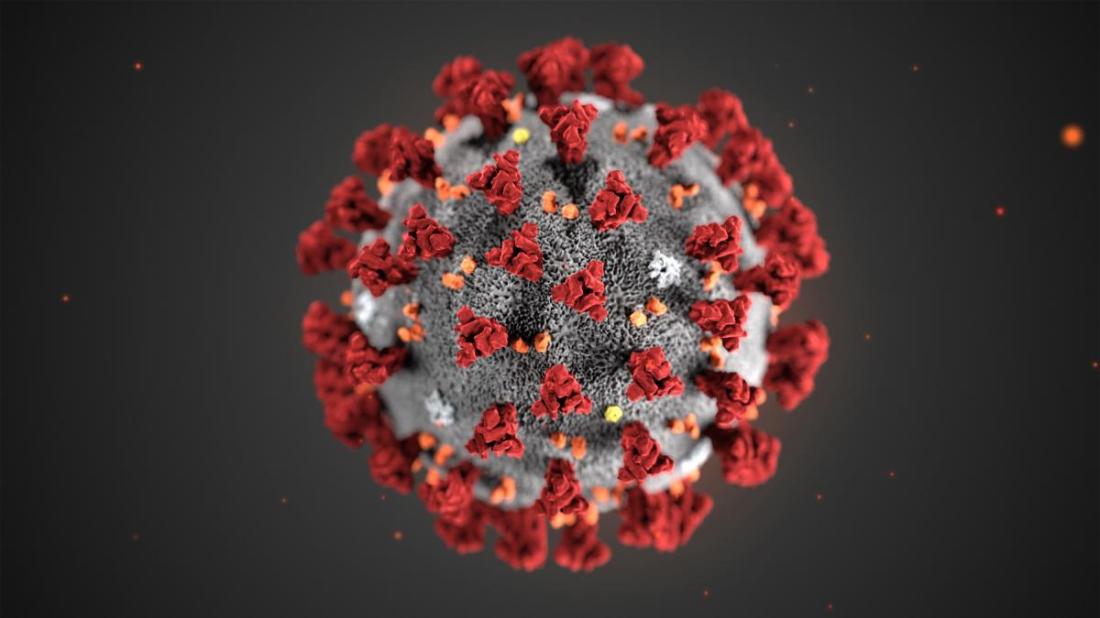
Reasons to be Humble

It is humbling to work on global health and humanitarian communications in this moment. The vastness and vulnerability of the human race are breathtaking in equal measure. Talking with people in Nairobi, Geneva or Bangkok on how Covid19 could quickly collapse a fragile health system in a conflict zone or disrupt a medical supply chain on one continent causing a deadly drug shortage on another. Consulting on strategies for incentivising rebellious European teens to stay at home or to help impoverished children in low income countries stay safe without soap and water. Even the uncertainty of where we are heading. We are all vulnerable, in different, but equal ways. There is no ‘us and them’ this time.

People in Liverpool, Lagos and Laos are all social distancing and uber- handwashing as the virus wafts right across isolationist and nativist barriers. The nationalist orientations of just yesterday seem small and redundant today. We are on a war footing with a deadly enemy, but Covid19 is not an ethnic or ideological foe. Like all living things it simply wants to reproduce. We cannot counter it with an alternative ideology. We need the two things that populism seeks to diminish: science and international collaboration. A solution found in one country or more, will become a solution for all countries everywhere.

I have been lucky to work alongside epidemiologists in large scale humanitarian responses, but never on this scale. Public health, along with universal education and social protection, are amongst the UN’s basic international human rights tenets. In disaster and war, maintaining public health is a recognised humanitarian principle. Good public health is when societies improve health outcomes for all: reduced child mortality, non-communicable disease and longer life expectancy. It is also our first line of defence against a deadly enemy like Covid19.

The global child survival revolution of previous WHO/UNICEF and public health generations dramatically reduced child mortality by attacking disease transmission. For the first time in history, major childhood diseases were stopped in their tracks. This occurred through herd immunity via mass immunisation and access to clean water and sanitation. Vaccines, clean water and Sanitation transformed our world beyond recognition and still stop more deaths than any invention since. This is the reality that many of our societies have come to take for granted for the past few decades. Until now.

Pandemics recede when the basic reproduction rate drops way below one. This is the average number of people someone with the disease will infect. The current basic reproduction rate for Covid19 is estimated at between 2 and 2.5. It is much more infectious than regular flu which has a reproduction rate of 1.3, but much less infectious than measles with a rate of up to 18.

Without vaccines or herd immunity for Covid 19, we need other means of reducing transmission. Mass testing and then isolating and caring for cases is our primary form of attack. Social distancing and rigorous hand washing are the best defensive assets we have. Often these public measures are challenging as recent politics has shrunk space and trust for public intervention. We need to rebuild it to defeat Covid19. In doing so we can build a more cohesive society, as many places did after the second world war. This is up to us.

I have seen children die in countries where herd immunity and vaccine confidence has dipped following a concerted anti-vaccination campaign . The Covid19 crisis is only a very moderate version of where they would take us. The anti-vaxxers and their friends would unravel decades of progress on the major childhood diseases and leave our children exposed to something much worse than Covid19. Deadly diseases, including measles, with a basic reproduction rate of between 5 and 18.

One example is Polio. Only two generations ago Polio was every parents worst fear. The paralysing, life changing and often deadly disease has a reproduction rate of between 5 and 7. In 1955 Jonas Salk, a virologist from a working class, Jewish migrant family in the Bronx became a global hero when he found a Polio vaccine.

Just 60 days into Covid19, we already have a vaccine being trialled. This is unprecedented and would never have happened if countries had not put the genetic sequences out in public. It will probably be a multi-national team of Jonas Salks who will deliver the final vaccine to defeat Covid19.

Mostly now we are seeing the best of ourselves. We can see that the values that have recently stripped employment rights, public services, science and international collaboration to the bare bones are flimsy and reckless. We can see that wealth makes you no less dependent on the at-risk front-line health worker or low-paid food delivery person. It is a humbling time indeed. Maybe that humility will help us regroup, rethink and defeat Covid 19. And then build a better tomorrow.

.

A Tale Of Two Pandemics

Will Covid19 Widen Inequality?

With Rugby & Football postponed and social gatherings replaced by social distancing-the only hope for an exhilarating weekend was a long bicycle ride. As Hudson suburbs gave way to inner city Bronx & Harlem before the more prosperous heartland of Manhattan- a simple bike ride shows how different income groups cope with Corona Virus. In prosperous neighbourhoods, cafe bars and barbers shop were half or three quarters empty. There was not a hipster to be seen. By contrast, poor migrant areas were bustling. It’s a bike ride-not a piece of scientific research. But do high rents, poor pay, insecure employment, no sick leave & “for profit” health systems prevent the poor from social distancing? Do they need to carry on as normal? Even when they are frightened of the virus?

We may all be frightened of getting sick. But the poor often fear the sickness itself less than the life consequences. One pay check away from homelessness, the potentially ruinous out of pocket hospitalisation costs or the direct relationship between todays work-shift & tonight’s family meal. Over time the secondary costs will hit the poor the most. If children are out of school, who will look after them? Online learning is a brilliant solution for social distancing, but those who already have the worse learning outcomes also have the worse connectivity: the poor. In the end, there will be job layoffs. Corona virus will break some businesses and the working poor will be the first to go.

27 million Americans don’t have health insurance. The world’s wealthiest country equals many middle and low income countries in having dramatically worse health outcomes for it’s poor. Brits shouldn’t be smug. Low income males in the UK die almost ten years earlier than the wealthy. Many of the non-communicable diseases and conditions that render Covid 19 lethal are much more prevalent for those in poverty. In the poorest countries on the planet, weak health systems may be overwhelmed by Corona Virus. This will divert resources from other child killers such as ebola, measles, cholera and pneumonia.

Child poverty is not the only driver of lifelong inequality. Adverse childhood experiences such as family violence and neglect also lead to serious inequality throughout adulthood . How do you think #StayAtHome sounds to a child who only feels safe when they are not at home? Whose only soothing & supportive relationship is with a teacher or a school deskmate. The pandemic will turn their already fragile world upside down and minimise their chances for recovery. When schools were closed during the Ebola crisis in West Africa increased rates of sexual abuse and exploitation of children were recorded.

Privileged cultures, wealth and education rightly equip children with skillsets to better navigate complex challenges in a way that often eludes the less well off. This is highly relevant in a pandemic. The ability to distill a stream of useful facts about the virus amidst an explosion of noisy fake news. The agility to regularly absorb and update ones knowledge and act up upon it. Adaptation to change and uncertainty and knowing where to seek help. When something goes wrong for a poor or high-adversity kid and they are knocked off course, it takes them much longer to get back on their feet.

In many countries including the US and UK, inequality seems to be expanding and social mobility declining. If you grow up without university educated parents, your future prospects seem to be in decline. It is rarely articulated, but deep in the sub-conscious of working class and poor people this trend has transformed voting trends. Growing inequality has created space for populist braggarts who shun science and international cooperation. The very people who now appear shrivelled and sheepish next to scientists with international networks of practice.

Covid 19 is not just a public health crisis. It will be an economic and social crisis, a jobs crisis, a housing crisis and it will certainly be a child crisis. It needs a social strategy as well as a public health strategy. Are we the Italian balcony Sopranos who celebrate our shared humanity by singing our hearts out together? Or the hysterical supermarket goers who elbow each other out the way to buy endless supplies of loo roll? I think time will show us to be more like the sopranos, but that social strategy needs to bring us together rather than build wedges to drive us even further apart.

Could You Be Loved?

How the love, optimism and resilience captured in My Name is Why by Lemn Sissay adds so much to our understanding of childhood

The most magical moment of the holiday season for me was seeing A Christmas Carol at New York’s oldest functioning theatre the Lyceum on Broadway. Way up in the rafters, I couldn’t help but ponder whether everyone has a ghost of past, present and future. We all know an Ebenezer, if we are not indeed one ourself. I am not talking about his prolific miserliness. But rather how his adaption to survive an early trauma becomes a maladaption over time. And how that rigid maladaption distorts and derails his whole life course.

But like most of Dickens stories, a Christmas Carol in the end is a joyous tale. It acknowledges human trauma, which as James Baldwin once wrote is a major purpose of literature. “The suffering and struggling person finds great liberation when they realise something they thought was only happening to them, happened to Dostoevsky 100 years ago”. But A Christmas Carol then takes that trauma and shows how magical and resourceful humans can be in overcoming it. And old Ebenezer breaks through in the end because of love, optimism and resilience.

A Christmas Carol probably did more than anything to shape the modern narrative and aesthetic of a western Christmas. Dickens grew up in a rare decade when London winters were bathed in snow. Thats why we yearn for a White Christmas. The concept of a warm family hearth and a shared feast as a buffer from unresolved trauma and winter cold. But Christmas is ruthlessly painful for those with no such buffer.

No-one knows this more than poet and Manchester University Chancellor Lemn Sissay, who has created a whole national movement of volunteers across the United Kingdom providing communal Christmas dinners for young adults who have lived in care of the state.

In any given year, the list of Lemn’s accomplishments is remarkable. But this year he contributed something that may have even inspired Dickens. With astonishing dignity and courage he completed his 30 year struggle to acquire the social work files from his own childhood in care and shared them in his memoir: My Name is Why.

In addition to Dickens, Maya Angelou, Edgar Allen Poe and Maxim Gorky wrote painful stories of childhood. The general narrative on violent, neglectful or otherwise unjust childhoods has evolved over decades and centuries-faster than our political will and technical ability to address it. I think Lemn’s writing has added something profound and new to it.

When interwoven with his own memories, the social work files run through My Name Is Why like a real time set of MRI scans on a childhood struggle. They are accounts of Lemn’s interaction with the so called “care” system and the social workers who drift in and out of his life. Combined they represent the culture of that system. By sharing them he exposes a deeper level of vulnerability than most would have the courage to do. He does this from a position of strength and it serves as a powerful antidote to the toxic masculinity and superficial egocentricity of our time. He is courageous beyond belief.

I believe he shares the files to illustrate one of the most original and poignant themes in his book. The importance of memory for all of us. As we saw from Scrooge, the struggle for recovery always requires bringing the memories back into one comfortable place. For Lemn, a childhood neglectfully dispersed and disrupted by multiple carers in scattered locations eats away at the sense of self-hood and deprives you of a “valid persona”. The impact of this fragmentation is profound and: ” quietly depletes the sense of self-worth deep inside a child’s psyche. This is how a child becomes hidden in plain sight. Family is just a set of memories disputed, resolved or recalled between one group.” But what happens when the family is not there?

The care system could have been the buffer and the hearth. A loving space for recovery and a platform to build a better tomorrow. But the social service files show how the children in its care were treated with suspicion and mistrust. As a teenager Lemn wrote poetry, had a Saturday job and bought a guitar with the proceeds. A good parent would be proud of this. But rather than assets, each of these activities were viewed negatively by the care workers. He devoured Bob Marley biographies, when “there were no books and consequently no encouragement to read” in the children’s home. He described these adolescent passions as his “flagpoles on the mountainside”. They told the story of someone whose identity and self was formed without compromise. Of someone who would one day soar. I wondered how many readers laughed out loud, as I did, when the school report from the sadistic quasi-prison Wood End file said Lemn had “average intelligence”

The cruelty of these institutions and Dickens workhouses before, are the tip of a very big iceberg. Adverse childhoods are more common than we ever thought them to be and occur mostly within families-not institutions. The more we make it normal to talk about it and understand it, the better chance we have of building a society and world that lives up to the best hopes of a Charles Dickens story. That is one where we acknowledge the lasting impact of trauma-but always seek to defeat it through love, optimism and resilience. A society where every child is connected and matters on an individual level.

Lemn’s book, and much of his life’s work contributes to the understanding we all need to achieve that goal. He personifies a spirit of love, optimism and resilience, and we could all do with more of that.

Merry Christmas from New York

Ordinary People in Ordinary Places Talking about Violence and Neglect

“How can I help my child to be self confident when I do not feel self confident myself ?”
This is not an intimate conversation between friends. It is not a soul-searching parent in private counselling with a psychologist. It is one of many written questions delivered by a 400 strong audience to the stage of a provincial theatre in North Macedonia. Following dance and comedy, the audience engage with an expert panel on hirtherto taboo themes such as neglect & violence. And you can hear a pin drop.

As with most middle and low income countries, there is little public discussion on childhood adversity. Policy makers rarely prioritise investment to address its lifelong impact and costs. The “Parenting Is Always Learned” campaign has two aims. The first is to introduce the science of brain development to ordinary parents in ordinary places in simple language. The second is to break taboos on family crisis and Adverse Childhood Experiences.

We asked Sasko Kocev, a comedian and actor to moderate the event. We were amazed to the extent this created a conducive environment for discussing a taboo and difficult theme in a non-judgemental way.

It made sense later when we read research in the Power Of Moments by behavioural scientists Chip and Dan Heath. It suggests that laughter creates social bonds and synchronises audience engagement . We are all affected by Adverse Childhood Experiences. Most people have experienced them in their own childhood. Those who haven’t are likely to have their lives entwined with someone who has. Violence and neglect are not a “Them” problem, they are an “Us” problem. Comedy reminds us of our imperfections, at the very least, that we are all a bit broken.

A young dance troupe perform a powerful representation of themes such as alienation and domestic violence. The second half of the event is an interaction between the experts & the audience using anonymous questions.

Adverse Childhood Experiences are as present in North Macedonia as they are anywhere. A World health Organisation supported survey found that 64% of young adults had one adverse trauma in childhood and almost 1 in 10 had four or more. The most common was emotional neglect at 30%. I once asked the entire psychology faculty second grade if the data surprised them. It did not.

A campaign alone will not work. Parenting Is also Learned accompanies reforms of health, education and social protection systems. This includes home nursing visits that promote nurturing caregiving and universal pre-school education.

Often childhood trauma such as emotional neglect is transmitted from generation to generation. It is difficult to talk about neglect as we often have to examine our own behaviour or that of our parents. By acknowledging adversity is often transmitted unintentionally, we can discuss it without judgement. This is essential for breaking taboos and enabling consolidated action on childhood adversity.

The answer to the question posed at the beginning of the article is not easy. How do parents ensure they don’t transmit poor attachment, insecurity or anxiety on to their own children.” But senior British psychologist Peter Fonagy researched the way that being “reflective” prevents such transmission. The more parents become aware and reflective of their own feelings and the way they may impact others, the less likely they are to transmit negative models of care.

And as the name of the campaign suggests, we can learn parenting skills. As the curtains go down and we exit the stage there is a queue of parents and young people seeking to share their experience and ideas. Its 10pm, we have gone on for an hour longer than expected, yet many people don’t want to leave.

As Victor Hugo said, there is nothing more powerful than an idea whose time has come. The idea whose time has come is that we can nurture the first generation to grow without violence and neglect.

Stopping childhood adversity from becoming a life sentence

ImpactInsider from UNICEF connect By Benjamin Perks20 March 2015

Even the most hard-nosed economist will now concede investment in good early childhood has the biggest return on public investment.

But what about a reverse argument that failure to invest in prevention of bad early childhood experience is the most costly oversight a government can make?

This is the subject of my recent TedX talk in Podgorica, Montenegro, on the global prevalence of Adverse Childhood Experiences (ACEs) like neglect, abuse and dysfunctional parenting, and how they drive poor public health, low productivity and other costs amongst adult populations.

Despite massive advances in addressing childhood adversity in many high-income countries – globally the issue remains largely taboo, difficult to discuss and emotive. But the field of childhood adversity has been revolutionized through the study of ACEs – here is how it began…

A couple of decades ago in San Diego, public health practitioners baffled by constant patient drop out from obesity programmes decided to probe whether there were any shared underlying factors among those affected. They were astonished to find out that those who dropped out almost all had one thing in common: sexual abuse in childhood.

This begged the question – were there other areas of poor health in adulthood or social outcomes where the people affected had largely been victims of childhood adversity?

What followed in the mid-90s was a longitudinal Adverse Childhood Experiences Study, of more than 17,000-mostly middle-aged and middle-class West-coasters in the US, through a collaboration of Kaiser Permanente clinics and the Centre for Disease Control in Atlanta.

Firstly, the findings revealed the shocking and heart-breaking prevalence of 10 classified types of Adverse Childhood Experiences which were broken down into three areas:
1) Abuse: Sexual, physical, emotional;
2) Neglect: Failure to meet basic physical needs, leaving a child uncared for, or unloved;
3) Household dysfunction: Witnessing, addiction, crime, parent-to-parent violence, mental illness etc.

Respondents were given an “Ace Score” of 1 to 10. Two-thirds of respondents had experienced at least one ACE and 12% of respondents had an Ace Score of 4 or more.

20% had been victims of child sex abuse – a number almost identical to the much later Council of Europe estimate that 1 in 5 European children suffer from sexual violence.

The statistics on all forms of violence also broadly correlate with prevalence levels that can be seen from the global UNICEF report on violence against children: Hidden in Plain Sight.

If researchers were knocked sideways by the shockingly high levels of prevalence, including in middle- and high-income households, they were also astounded to find an almost “dose-response” correlation with high adversity and poor life outcomes, in health, education, addiction and crime throughout the lifecycle.

According to a leading ACE researcher and public health practitioner, Dr Nadine Burke Harris, in California somebody who had experienced 7 of 10 forms of childhood adversity has a 20-year shorter life-expectancy than someone who has experienced none.

It took a different type of research, from the field of neurobiology, to explain why high childhood adversity converted to poor outcomes in adulthood – through the impact of what the Harvard University Centre for the Developing Child has termed ‘Toxic Stress’ upon the physical and brain development of children.

As devastating as all of this is, we now have the knowledge and the science to build a global effort to reduce the impact of childhood adversity and violence against children. If we can reduce the dose of adversity and toxic stress we are not only fulfilling our human rights obligation to protect children, but also potentially ensuring long-term reductions in poor public health, low productivity, high crime etc.

UNICEF works throughout the CEE/CIS region in Regional Knowledge Leadership areas to help governments to simultaneously do three things:
1) Build violence prevention mechanisms, from pre-natal visits and throughout a child’s life cycle;
2) Provide interlocking services of child protection, health, education and justice that will protect the child victim of adversity and help him or her recover; and
3) Break the public taboo on childhood adversity which prevails in almost all of the countries in our region.

In Montenegro in late 2013 we had the first national discussion on child sex abuse as part of a national survey on violence against children in parliament. Services are being strengthened, reporting seems to be on the increase and there is more public discussion. But we are mindful that this is just the beginning.

This way of approaching adverse childhood experiences is flowing from high-income countries where it is studied and researched, to middle income countries where there is some type of functional child protection system. However, according to Theresa Betancourt of the Harvard Centre on the Developing Child there is an obvious need to better understand and work on childhood adversity, mental health and toxic stress in low-income countries or conflict zones, where HIV/AIDS or the recruitment of children into armed conflict, can have a deep psychological and physiological impact on children’s wellbeing.

Courtesy of the wonderful fostering promotion group ReMoved, my TedX featured the story of a resilient, fictional young girl with an Ace score of 6 called Maja. She could be any child-in any corner of the world. Frightened of her own father, uncertain of when she may reach safety or if she will ever be properly loved and cared for.

We can make a massive difference in the life of Maja and millions of children like her by attacking childhood adversity, making the invisible visible and creating a world truly fit for children.

Benjamin Perks is the UNICEF Representative in Montenegro

Tags: 

#ENDviolencechildhood adversityShare this story:49

Why state care should not mean more childhood adversity

Insider on unicef Connect By Benjamin Perks2 April 2015Share this story:

A three-month-old baby lies in a crib at a hospital in Ukraine. She was abandoned by her mother in the maternity ward.
© UNICEF/NYHQ2005-1796/PirozziA three-month-old baby lies in a crib at a hospital in Ukraine. She was abandoned by her mother in the maternity ward. 

For most mothers, the first embrace and skin-on-skin contact with her newborn, moments after delivery, is one of the most precious and magical moments in the journey of parenthood. But sometimes, perhaps because of family breakdown, addiction or perceptions about a disability, a mother turns away from her baby and abandons him or her at birth.

And so begins the worst possible life-start for many of the 1.3 million children who reside in the care of the state across Central Asia and Central & Eastern Europe.

In those fragile early days of life, the pathway to state care is lonely and brutal. The child will often be taken from the maternity ward to a large-scale state residential institution adorned not with family memories, warmth and affection but rather regulated by administrators with filing cabinets, staff shifts and often even staff uniforms.

Upon arrival, the baby will be placed in a cot like this:

And they will lie and wait and wait and wait. They will wait for the communication, affection and love that a newborn is pre-programmed to expect. But this is unlikely to ever come as large scale institutions have staffing structures that rarely allow for more than a couple of hours attention for each baby each day.

And this is just not enough to enable the healthy physical, emotional or cognitive development of the child.

And as days turn into weeks, and weeks into months, the baby learns to stop crying for attention and to stop expecting affection and love; the parts of the brain that regulate emotional relationships stop flourishing. Statistically, the child is unlikely to ever recover from this early neglect and may remain vulnerable for life.

Could it be different?

For many decades now there has been a consensus across pediatrics, psychology and neuroscience that one-to-one continuous contact between an adult (it doesn’t need to be a biological parent) and a child is needed for normal emotional, physical and cognitive development.

Can we rewind the clock and review the decisions that result in a baby, like the one in the photo, having such an unfair start in life?

What if during routine prenatal visits, a community nurse had the required skills and mandate to identify the risk of abandonment prior to birth, to counsel against it, and to link the mother to family support, social protection and other support?

And what if this could be reinforced by the doctor and the nurse in the maternity ward (over 97% of births in this region take place in a health facility)?

And if all of this failed, what if the baby was delivered to a warm and caring foster care family trained and motivated to give attention, love and affection to the child, while the social worker tries to find a long term home, either within the extended family or if not possible, within a suitable adoptive home?

In my recent TEDx, I talked about the lifelong impact of adverse childhood experiences (ACEs): sexual, physical and emotional violence, living in dysfunctional households plagued by poor mental health, addiction or domestic violence. The other major type of adverse childhood experience is neglect, and the plain truth is that the decision to place a child in a large scale institution results in neglect.

Even with the best of intentions, the human resource structure of large-scale institutions prohibit healthy childhood development, resulting in the neglect of children. It is therefore harder to imagine a decision that has more of an impact on the human rights of an individual than the decision a government makes about what to do with a child placed in the care of the state.

Prenatal interventions; better equipped maternity wards; family support services including cash benefits; even expanded emergency and regular foster care, either within or beyond the extended family; are much less expensive than large-scale institutions a) because the unit cost of childcare is less and b) because long-term health, social and other costs caused by poor outcomes for vulnerable adults from institutionalised backgrounds are high.

The wonderful 19th century French historical novelist Victor Hugo said, “nothing is more powerful than an idea whose time has come”. Thankfully, institutionalisation is an idea whose time has gone.

In December 2012, 20 UN member states across the region supported a Call to Action to eradicate placement of children under 3 in large scale institutions in collaboration with the Office of the UN High Commissioner for Human Rights, UNICEF & the European Parliament. This has to be a departure point for eventually eradicating the placement of any child in a large scale institution.

Under the leadership of the Montenegrin Prime Minister, a multi-sectoral drive for family-based care has seen a 56% reduction in the number of institutionalised children; strengthened kinship (within extended family) care; and a 7-fold increase in the number of children in non-kinship foster care in Montenegro.

Fostering campaign promotion poster -UNICEF Montenegro/Duško Miljanić
Fostering campaign promotion poster – UNICEF Montenegro/Duško Miljanić

A campaign to change negative public attitudes to children with disabilities – who comprise around half of those in state care in our region – has resulted in a dramatic increase in school inclusion and community-based services, thus reducing abandonment.

A long time ago, a model of state care was designed for children who had been abandoned. Strengthened prevention mechanisms are irreversibly reducing such cases. At the same time, public awareness of family violence is increasing and reporting is on the up.

Thus, the child protection system will gradually shift from providing care to abandoned children to protecting those at risk of harm within the family. At the heart of this shift has been the principle that children always need solutions where there is a consistent and solid presence of a trusted adult who will always put their interests first.

Anything less is tantamount to child neglect.

Benjamin Perks is the UNICEF Representative in Montenegro

Why we need to invest in early childhood in Montenegro

Experts speak from UNICEF Connect By Benjamin Perks28 May 2015

©UNICEF Montenegro/Dusko Miljanic

Anyone who has been anywhere near a three-year-old recently will attest to their inexhaustible curiosity. They ask as many as 100 questions an hour – and around about the age of three, those questions switch from “what and where” to “how and why” questions – in a search for meaning in the world around them.

Early childhood is the optimum time for cognitive and sensory development and the years from three to five are when the executive function, also known as the human ‘air traffic control system’, is growing most actively.

Thus, the way parents, peers and the wider society responds to a three-year-old’s searching questions will be a major determinant of his or her education and life success, as well as their long-time contribution to economic, social and democratic development of their society.

This is why Nobel Prize winner, and one of the world’s leading economist, James Heckman calculated that the biggest return on investment from the public purse occurs in the earliest years of childhood.

Recent research has dramatically expanded our understanding of early childhood development and much of this new knowledge was sorely missing when the current education model of most countries was designed in the 19th century.

But today the disparity between those who don’t go to pre-school and those who do, seems clear. There is, for example, a correlation in mathematics outcomes for 15-year-olds who did not go to preschool being a year behind, among the 55 countries included in the OECD/UNESCO PISA study.

Thus in the last few decades there has been a huge drive in the world’s wealthiest countries to secure a pre-school place for every child. In the European Union, for example, the pre-school coverage rate is around 92% with a target of 95% coverage by 2020. Some countries such as Ireland and Latvia have had rapid growth in the past few years.

But what about low- and middle-income countries? In the draft United Nations Sustainable Development Goals, universal access to pre-school is set as a target for 2030. But there is a long way to go.

In the Central and Eastern European & Central Asia region – much of which borders the EU and is working towards integration with the EU economy – some countries have a coverage rate as low as 10%, much lower than the EU target of 95%. Here in Montenegro there is 52% enrolment of three- to six-year-olds in pre-school, but only 40% attend in real terms.

©UNICEF Montenegro/Dusko Miljanic

There is indeed a gulf between Montenegro and the European Union – which it eventually hopes to join. But there is also a geographical gulf and a poverty gap because a child born into the poorest section of society or the least developed municipality is nine times less likely to attend pre-school than one born in a wealthy family or municipality.

As in many countries, there are three drivers of poor attendance. The first is a lingering belief that pre-school is primarily for the purpose of daycare – not child development – and that this can be better provided at home by the extended family. There is a lack of understanding of the unique value of a professional and evidence-based pedagogical learning programme for the child.

The second is poverty and the inability to pay even relatively low fees for the service. This is coupled with the non-income dimensions of poverty such as the absence of a means of transport from often disparate rural locations to pre-schools in urban regional centres.

The third is the evolution of pre-school as a largely urban phenomenon for working families, which combine the functions of paedagogical development of children with daycare facilities such as kitchens, dining rooms and sleeping facilities where a child may stay all day, but where only 40% of the space and time is used for child development and where the investment and running costs can by disproportionately high.

The government of Montenegro has committed to increasing the enrolment of children in pre-school from 52% to 95% by 2020 with the technical support of UNICEF, through the establishment of a free-of-charge three-hour daily programme for all children, focusing on the poorest first. This will be achieved through innovative financing models and the establishment of pre-school facilities in primary schools, health posts, and other grassroots facilities in the disparate areas that are not covered by the current urban kindergartens. Shifts will also be developed in existing kindergartens to accommodate children during the afternoons for the three-hour programme.

Montenegro also joins Chile and South Africa as one of the three countries where UNICEF is working in partnership with the H&M Conscious Foundation to encourage an increased investment in ECD.

In addition, a public awareness campaign is underway to increase demand in areas where it is low. If such models can be replicated and mainstreamed through the aspiration for the sustainable development goals of the United Nations, we have a chance of reversing both the impact of inter-generational inequity between low- and high-coverage countries; the massive disparities between wealthy and poor children within countries like Montenegro; and the lost opportunities for all societies through a collective failure to respond to our latest knowledge on the essential need for early development of the brain when it is growing most rapidly.

Benjamin Perks is the UNICEF Representative in Montenegro

Adolescence — a second chance for children affected by adversity, poverty & exclusion

Experts speakBy Benjamin Perks16 July 2015

As you read this, a teen somewhere is making a decision they may regret for the rest of their lives, one with high costs for themselves, their families and their communities. Joining a gang or a terrorist organization or committing a serious crime.

Every teen everywhere faces a turbulent transition to adulthood: the rapid development of identity, blossoming of emotions and onset of puberty. Neuroscientists explain the turbulence as caused by asymmetrical adolescent brain development. The socio-emotional processing system starts to respond to incentives and provocations from the early teens, but the cognitive control system, which is needed to filter those decisions is not fully developed until the early twenties.[1]

Over the past twenty years, there has been good news and bad news in research on adolescence. The bad news is that many more children than we ever thought before are entering adolescence with broken childhoods characterized by heartbreaking adverse experiences: abuse, neglect and dysfunctional parenting driven by addiction, violence or unaddressed mental health issues. This is multiplied further in areas affected by conflict, crime, and poverty. Science shows that the more adversity experienced in childhood the more difficult it is for the adolescent to navigate his or her way around the opportunities and risks they face and to make sensible decisions that don’t harm them or their communities.

The good news from neuroscience is the discovery of neuro-plasticity — that teenagers can strengthen the performance of their “executive function”, the part of the brain that coordinates behavior, choice and reaction, through learning non-cognitive or character skills. Thus, as much as adolescence is fraught with risk and possible lifelong consequences, it can also provide a second chance to get teens back on track to lead a stable, fulfilling and happy life.

To divert for a moment from vulnerable children to all children, character skills are increasingly recognized in many countries as being as critical as IQ in determining academic and lifelong success for all. They are seen as essential for long-term economic competitiveness and socio-economic development and are being mainstreamed in K through 12 education. Character skills include instrumental skills such as optimism, curiosity, motivation, perseverance and self-control that drive overall performance in school and life. But they also include integrity and locally-determined values that ensure performance is harnessed to the common good and can contribute to shared expectations and values within communities.

In Harvard sociologist Robert D. Putnam’s recent best seller ‘Our Kids – the American Dream in Crisis’ on inter-generational poverty and the decline in social mobility, he reviewed all of the recent American studies on childhood and concluded that in addition to the impact of poor nutrition and material poverty on children’s life chances, parenting and schooling had a massive impact: “Well educated parents aim to raise autonomous, independent and self-directed children with high self-esteem and the ability to make good choices, whereas less educated parents focus on discipline, obedience and conformity to pre-established rules.” [2]

Whether talking about teenage ‘child soldiers’ in war-ravaged, poverty stricken countries, or abuse victims, or gang members in high-income countries, we need to look beyond obvious interventions that tackle material poverty or provide vocational learning or housing. If traumatic childhoods have left them with a chaotic and untrusting view of the world — they will find it very hard to hold down a job, or maintain a house, or build healthy relationships. We need to complement material interventions with the development of the type of character skills that will help them become more autonomous, self-directed and build more self-esteem to make good choices.

In Montenegro we have joined forces with Birmingham University to support the Ministry of Education in developing character education in schools and within a global partnership with ING to support the development of such skills with especially vulnerable youth in a non-school setting. This includes young people leaving state care, Roma and other minority children, and young people in conflict with the law.

Character education is only one part of a range of interventions that are needed to help young people get back on track. Vocational training, support for accessing basic health and other services and even psychological therapy are also essential. But character — skills including integrity — are an essential part of the jigsaw. While there is now a strong global investment case that public funds in early childhood promote positive life outcomes and long-term competitiveness, adolescence is our second — and perhaps last —chance to harness the public good to ensure our most vulnerable teenagers build better lives — and eventually better societies. Let’s not waste that chance.

Benjamin Perks is the UNICEF Representative in Montenegro.

[1] The Influence of Neuroscience on US Supreme Court Decisions about Adolescents Criminal Culpability. Nature Reviews Neuroscience. Laurence Steinberg. 2013
[2] P199. Our Kids-the American Dream in Crisis Robert D Putman Simon and Schuster

Fighting online abuse of children in Montenegro

12th May 2016. Published on UNICEF Connect

It’s hard to think of a crime whose victims are more faceless and vulnerable than victims of child sexual abuse. In most middle and low income countries, the subject of child sexual abuse remains largely taboo, without a social imperative to report suspicion of the crime within the community and with no ready help for children.

While efforts to address the subject of child sexual abuse can be sluggish, the ability of perpetrators to organize, network and harness technology is fast. The ever-expanding and accessible nature of internet and communication technologies has facilitated the distribution of child sexual abuse materials. The geographic boundaries between children and child sex offenders are reduced, resulting in new forms of online child sexual exploitation such as live streaming of child sexual abuse.

BLOG online 3

Online child sexual exploitation includes the production, distribution, possession and consumption of child sexual abuse materials (also known as child pornography). The majority of the victims depicted in these materials are very young children, often girls. The gaining of a child’s trust for the purpose of future sexual abuse through chatting online – also known as online grooming – constitutes another form of online sexual exploitation of children. The perpetrators employ numerous social engineering tactics and tools to lure vulnerable children and befriend the child, or harass them when they are non-compliant.

Globally, law enforcement agencies have suggested that there are over 17 million such images and videos in circulation – 83% of them include children under 12.

WePROTECT is a global initiative spearheaded by the UK Government to end online child sexual exploitation. At the heart of WePROTECT is a commitment by countries, IT industry, civil society organizations and UN agencies such as UNICEF to take coordinated national action to tackle online child sexual exploitation. This includes the development and implementation of technological solutions to identify, remove and reverse the spread of online child sexual abuse materials and to enable law enforcement agencies to bring the full weight of the law down upon the offenders, and in parallel, to provide of support services to child victims.

Montenegro is part of the WePROTECT initiative and has thus far supported the strengthening of intelligence led policing capacity to identify offenders and to build sound prosecution cases. We will also launch a nation-wide anti-grooming application available to all parents, children and schools in June 2016, which will enable children to review animated scenarios of what to do if a stranger approaches them on Facebook.

Simultaneously, we need to break the taboo on talking about sexual violence against children and undertake a national campaign on the topic soon.

Connectivity is essential for children in the 21st century and is key to their cognitive and emotional development and the fight against poverty. However, parents and teachers are not always aware of how to teach and monitor safe online usage. We must promote the We PROTECT programme globally – to balance protection of children from harm against promotion of digital citizenship and empowerment for all, including especially for the children themselves.

Benjamin Perks is the UNICEF Representative to Montenegro and recently did a TedX talk on the impact of adverse childhood experiences